A Guide to Choosing the Best Food Packaging Boxes for Your Retail Business
Selecting the correct food packaging solutions is crucial for every retail business. The decision-making process includes various factors, including materials, visual design, and sustainability. Each factor serves an important purpose in maintaining product integrity and engaging buyers. Retailers must consider how these aspects align with their brand image and market expectations. Grasping these subtleties can make a difference in business success. Which key factors should retailers consider first to ensure ideal packaging outcomes?
The Importance of Food Packaging for Retail Success
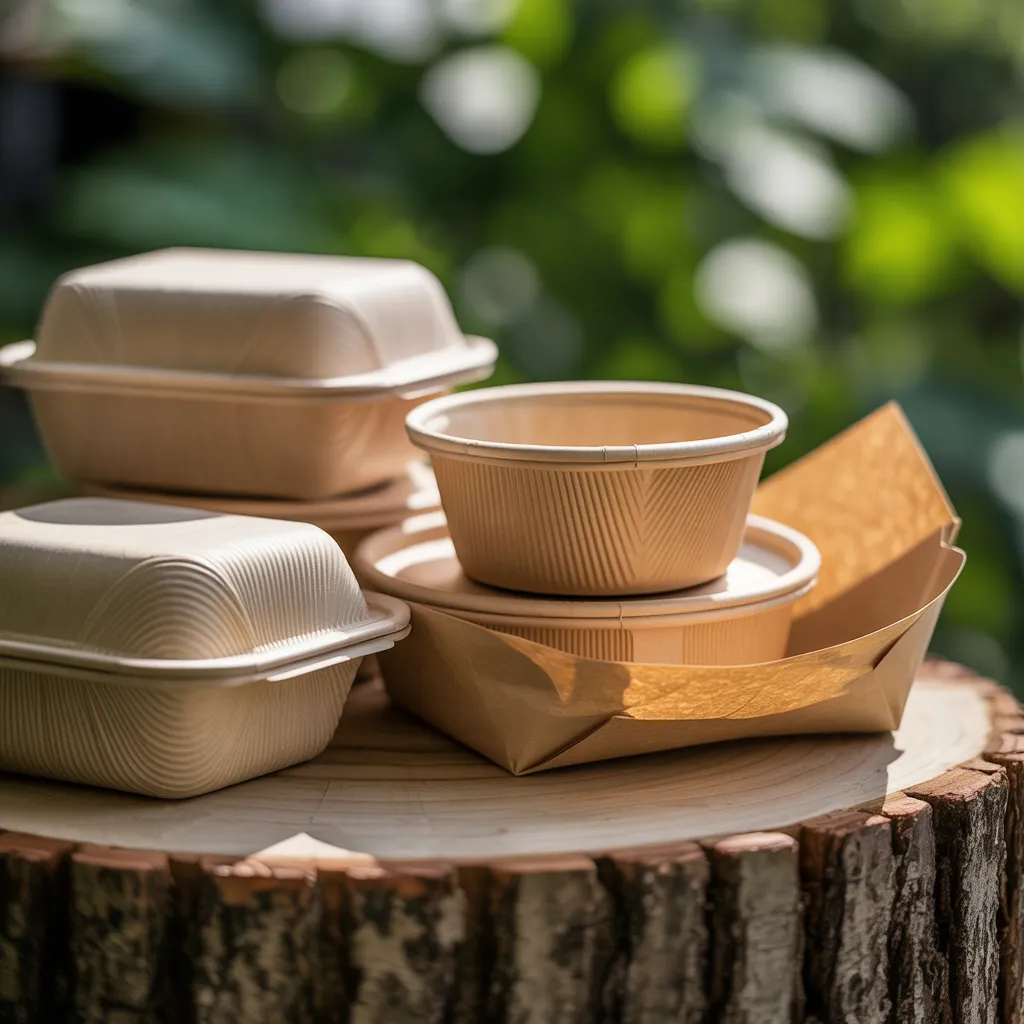
Food packaging plays an critical role in the retail business landscape by shaping how consumers perceive products and make buying choices. Quality packaging functions as a wordless brand ambassador, communicating key information about the product while building a compelling visual impression. It stands out among competing products on store shelves and can set a product apart from rival brands.
Beyond this, packaging gives consumers confidence in product quality and safety, which is fundamental in the food industry. Clear labeling, visually compelling designs, and sustainable materials can enhance brand loyalty and encourage repeat purchases. Furthermore, well-planned packaging can express the brand's principles and identity, building a deeper connection with the audience.
As e-commerce continues to grow, packaging serves a crucial function in ensuring that products arrive intact and maintain their appeal, impacting online reviews and buyer experience. When all is considered, strategic packaging plays a major role in increasing revenue and supporting sustained retail achievement.
Fundamental Materials for Food Packaging
Picking the correct components for food packaging is crucial for upholding product integrity and guaranteeing safety. Different materials serve distinct purposes, affecting both preservation and the customer experience. Commonly used options include paperboard, which provides durability and recyclability, positioning it as an eco-friendly option. Plastic, particularly PET and HDPE, delivers excellent barrier properties, shielding food from moisture and contamination. Glass containers are valued for their inert nature, maintaining flavor and eliminating chemical interactions.
Metal-based packaging, such as aluminium cans, is ideal for extending shelf life, most notably for perishable items. Furthermore, biodegradable and compostable materials are growing in demand, aligning with green initiatives. Every material's cost, availability, and compatibility with specific food types must be considered. In the end, choosing the appropriate packaging material not only protects food quality but also reflects a business's commitment to safety and environmental responsibility.
How to Create Packaging That Draws in Customers
Effective packaging design plays a pivotal role in capturing customer attention and increasing brand awareness. In order to reach this objective, organizations should prioritize several critical components. First, color selection is of utmost importance; vibrant colors can evoke emotions and catch the eye, while muted shades can express refinement. Second, typography should be clear and legible, guaranteeing that brand titles and product descriptions are instantly recognizable at first sight.
Incorporating unique shapes or structures can further differentiate a product on busy retail shelves, delivering an unforgettable impression for buyers. Moreover, imagery that reflects the product's quality or origin can help to engage consumers. Finally, weaving a storytelling component or brand message into the packaging cultivates a meaningful relationship with the core audience, inspiring participation and customer commitment. Through carefully merging these components, enterprises can design packaging that not only gains visibility but also supports their brand recognition.
Green Practices in Food Packaging: Understanding Their Significance
As consumers increasingly prioritize environmental responsibility, the value of sustainable practices in food packaging remains critically important. Retail businesses are recognizing the importance of using eco-friendly materials that reduce waste and minimize their carbon footprint. Sustainable packaging options, such as biodegradable, compostable, or recyclable materials, not only appeal to environmentally conscious consumers but also enhance brand reputation.
Adopting sustainable practices fosters openness and responsibility, permitting enterprises to match the standards of their desired customer base. Additionally, governing policies are transitioning to stricter sustainability mandates, rendering it necessary for firms to integrate sustainable packaging solutions.
Committing to eco-friendly methods can lead to long-term cost savings, as organizations may minimize waste expenses and enhance operational efficiency. At its core, adopting green solutions for food packaging is not just a responsible obligation; it is a strategic move that establishes businesses advantageously in an ever-expanding sustainability-driven marketplace.
Discovering the Right Equilibrium Between Cost and Quality in Packaging
In the retail important information food industry, balancing cost and quality in packaging is vital to achieving success. Companies must thoroughly assess material choices to guarantee durability while also exploring budget-friendly design approaches that draw in buyers. This harmony can considerably affect both profit margins and brand image.
Assessing Material Choices
Choosing the correct material for packaging food containers requires a careful analysis of both quality and cost. Several options, such as biodegradable options, cardboard, and plastic, offer unique strengths and weaknesses. Paperboard is commonly recyclable and cost-effective, rendering it a widely preferred option among businesses. That said, its strength may occasionally fail to meet the demands of specific food items. Plastic packaging offers outstanding protection against moisture and can extend shelf life, but its environmental impact raises challenges. Biodegradable materials, although generally more expensive, support green initiatives and attract eco-conscious consumers. In the end, the selection process should balance these elements, guaranteeing the chosen option protects the item while also catering to financial limitations and brand identity.
Budget-Friendly Design Approaches
Striking a balance between expenses and standards in food packaging design requires thoughtful strategy and creative approaches. Businesses in the retail sector should look into using consistent packaging formats to decrease production expenditures while optimizing the use of resources. Utilizing straightforward yet attractive designs can boost brand recognition without adding significant expenditure. Furthermore, selecting adaptable materials supports a variety of packaging needs, limiting waste and improving resource efficiency. Partnering with suppliers to investigate bulk buying opportunities can additionally reduce expenses. In addition, adopting eco-friendly approaches, such as eco-conscious or compostable materials, not only appeals to environmentally-conscious consumers but can also generate enduring cost reductions. By adopting these budget-friendly approaches, companies can attain packaging solutions that satisfy quality standards without exceeding budgets.
Assessing Packaging Choices: Essential Questions to Ask
What is the best way for a retail business to select the appropriate food packaging boxes? Assessing packaging choices involves thoughtful reflection on a number of important questions. Initially, companies should determine if the material is well-suited for the particular type of food being enclosed. Does it meet food safety standards while also maintaining product freshness? Furthermore, attention should be given to the design—does it complement the brand's visual identity while also serving a functional purpose for consumers?
Cost is another vital factor. Will the business be able to preserve quality while keeping costs in check? Additionally, businesses should evaluate the packaging's environmental impact. Can sustainable choices be found that lessen the impact on the environment?
Ultimately، storage and transportation logistics should not be overlooked. Will the packaging be easy to store and transport without damage? Through examining these considerations, retailers can arrive at educated conclusions that enhance product appeal and guarantee customer satisfaction.
Popular Questions We Receive
What Are the Essential Food Packaging Regulations to Keep in Mind?
Typical food packaging standards encompass conformity with safety standards, labeling mandates, material safety, and environmental regulations. Additionally, businesses must ensure that packaging prevents contamination and sustains product integrity throughout its shelf life.
What Are the Ways to Test Packaging Durability for My Products?
To assess packaging durability, one must carry out drop tests, compression tests, and moisture resistance evaluations. Examining how packaging holds up under various environmental conditions and handling procedures will yield important knowledge about its overall resilience and trustworthiness in safeguarding products.
Is It Possible to Customize Packaging for Seasonal Promotions?
Yes, custom packaging is available for holiday campaigns. Businesses often design exclusive visuals, hues, and materials that complement the promotional theme, boosting visual appeal while successfully delivering the promotional message to engage customers during important occasions.
What Are the Key Best Practices for Packaging Food for Delivery?
Proper food packaging for delivery involves using sturdy, insulated materials to maintain temperature, providing leak-proof construction, and adding clear labeling for ingredients and handling guidelines. Furthermore, sustainable options improve customer satisfaction and environmental accountability.
How Do I Handle Packaging Waste in My Business?
To handle packaging waste efficiently, businesses should establish recycling initiatives, utilize biodegradable materials, and motivate customers to send back packaging. Periodic evaluations can also identify waste reduction opportunities, promoting a greener approach to business practices.